Phishing,
Definition of Phishing:
Phishing may also occur in the form of emails or texts from scammers that are made to appear as if they are sent from a legitimate business. These fake emails or texts may install programs like ransomware that can allow scammers to access a victim's computer or network.
Phishing is a method of identity theft carried out through the creation of a fraudulent website, email or text appearing to represent a legitimate firm. A scammer may use a fraudulent website that appears on the surface to look the same as the legitimate website. Visitors to the site, thinking they are interacting with a real business, may submit their personal information, such as social security numbers, account numbers, login IDs and passwords, to this site. The scammers then use the information submitted to steal the visitors money, identity or both, or sell the information to other criminal parties.
The act of acquiring private or sensitive data from personal computers for use in fraudulent activities. Phishing is usually done by sending emails that seem to appear to come from credible sources (however, they are in no way affiliated with the actual source/company), which require users to put in personal data such as a credit card number or social security number. This information is then transmitted to the hacker and utilized to commit acts of fraud. Some of the criminals behind phishing scams have even gone so far as to create websites that appear to be operated by government agencies. Many virus programs and email providers have developed software in attempt to combat the problem.
How to use Phishing in a sentence?
- Phishing scams have turned their attention to social media sites, trying to lure information from users by posing as friends of friends.
- An elderly couple goes to the bank to withdraw money. After the transaction, they left their wallet on the counter. The teller walks away for a moment. Someone comes into the bank and discovers the wallet. The person starts phishing for information. The person found their address, their telephone number, and their social security numbers.
- The use of the Phishing tactic has been utilized for use as a way for scammers to get ahold of valuable information on the internet.
Meaning of Phishing & Phishing Definition
Phishing,
Phishing Meanings:
A message, usually sent by e-mail (and rarely by telephone), makes false claims by a law firm or by a legitimate person or persons. The message seeks to entice the recipient to provide personal information such as social security numbers, credit cards and bank accounts. Used for identity theft when this information is received. In addition to phishing, which targets personal information, many phishing attacks are aimed at obtaining sensitive business information such as company account numbers. Fake instructions (for example, a message from the CEO of a company asking a middle-ranking employee to transfer a certain amount of money to a specific account) can also be considered a form of phishing.
Definition of Phishing: There is a type of scandal on the internet that appears when people send seemingly legitimate emails asking for your personal information such as bank details, passwords, etc. And use your money to steal.
Meanings of Phishing
Fake emails sent by legitimate companies to entice people to disclose personal information such as passwords and credit card numbers.
Sentences of Phishing
Email is probably a phishing scandal
Phishing,
Phishing Definition:
The act of deceiving account holders of online financial information by imitating a legitimate entity. See related questions about Internet fraud.
Phishing,
Phishing Definition:
A message, usually sent via email (and at least by telephone) that falsely claims to be from a law firm or another person or persons. The message seeks to provide the recipient with personal information such as social security numbers, credit cards and bank accounts. This information, when obtained, is used for identity theft. In addition to phishing, which targets personal information, many phishing scams target sensitive business information, such as company account numbers. Fraudulent instructions (for example, a message from a CEO of a company asking an average employee to transfer a certain amount of money to a specific account) can also be considered a form of phishing. Can
Phishing means: This is a type of scam that is carried out by sending emails to people searching for your personal information, such as bank details, passwords, etc. on the Internet. And use it to steal your money.
The definition of Phishing is: Fraudulent online account activity that contains financial information that appears as stickers. See related questions about Internet fraud.
Meanings of Phishing
Alleged fraudulently sending emails from legitimate companies, tricking people into revealing personal information such as passwords and credit card numbers.
Phishing,
How To Define Phishing?
You can define Phishing as, A message is usually sent by e-mail (and less often by telephone) that falsely claims to be from a law firm or another person or persons. The message seeks to deceive the recipient into providing personal information such as social security numbers, credit cards and bank accounts. This information, when obtained, is used to commit identity theft. In addition to phishing, which targets personal information, many phishing scams target sensitive business information, such as company account numbers. Fraudulent instructions (such as messages received from a company's CEO asking a middle-ranking employee to transfer a certain amount of money to a specific account) are also considered a form of phishing. can go.
This is a type of scam that is carried out on the Internet, sending emails to people in search of your personal information, such as bank details, passwords, etc. And use it to steal your money.
Fraudulent online account activity that includes financial information that appears as stickers. See related questions about Internet fraud.
Meanings of Phishing
Alleged fraudulently sending emails from legitimate companies to trick people into revealing personal information such as passwords and credit card numbers.
Sentences of Phishing
Email is probably a fraud scandal.
Phishing
Phishing is a form of digital communications scam that attempts to obtain personal information such as usernames, passwords, credit card details, or other sensitive information.
Phishing scammers often use emails, text messages, and instant messages to direct their victims to a fake website that appears legitimate and trick them into entering their personal information.
Why is it called phishing?
The word "phishing" was first used and recorded around 1996, when hackers stole America Online accounts and passwords. These hackers used email lures and fishing rods to obtain passwords and financial information from Internet users.
The reason why ph was used instead of f in the spelling of the word is because some of the early hackers were known as freaks, meaning research, experimentation and study of telecommunication systems. The spelling ph was used because phishing scams are specific to these hacker communities.
What are the most common phishing attacks and how can you protect yourself against them?
Email phishing
Email phishing is one of the most common forms of phishing, targeting everyone from executives to private users. Anyone who opens an unknown email risks getting scammed. To distinguish a genuine email from a phishing email, Internet users should be skeptical and aware of the sender's brand or company.
Before clicking on anything in an email, check the legitimacy of the sender's email address, logo, URL, and any message elements that appear to be fragmented.
Phishing in cloud storage
The cloud services of Amazon, Google and Dropbox have become targets for phishing. These scammers steal users' personal information by sending victims files that force them to sign into their cloud accounts.
To protect yourself from these scammers, be vigilant when a file comes in.
Mobile phishing
This is a form of phishing that is targeted by scammers via mobile apps on their smartphones. When users download scam apps, they are tricked into entering their personal information.
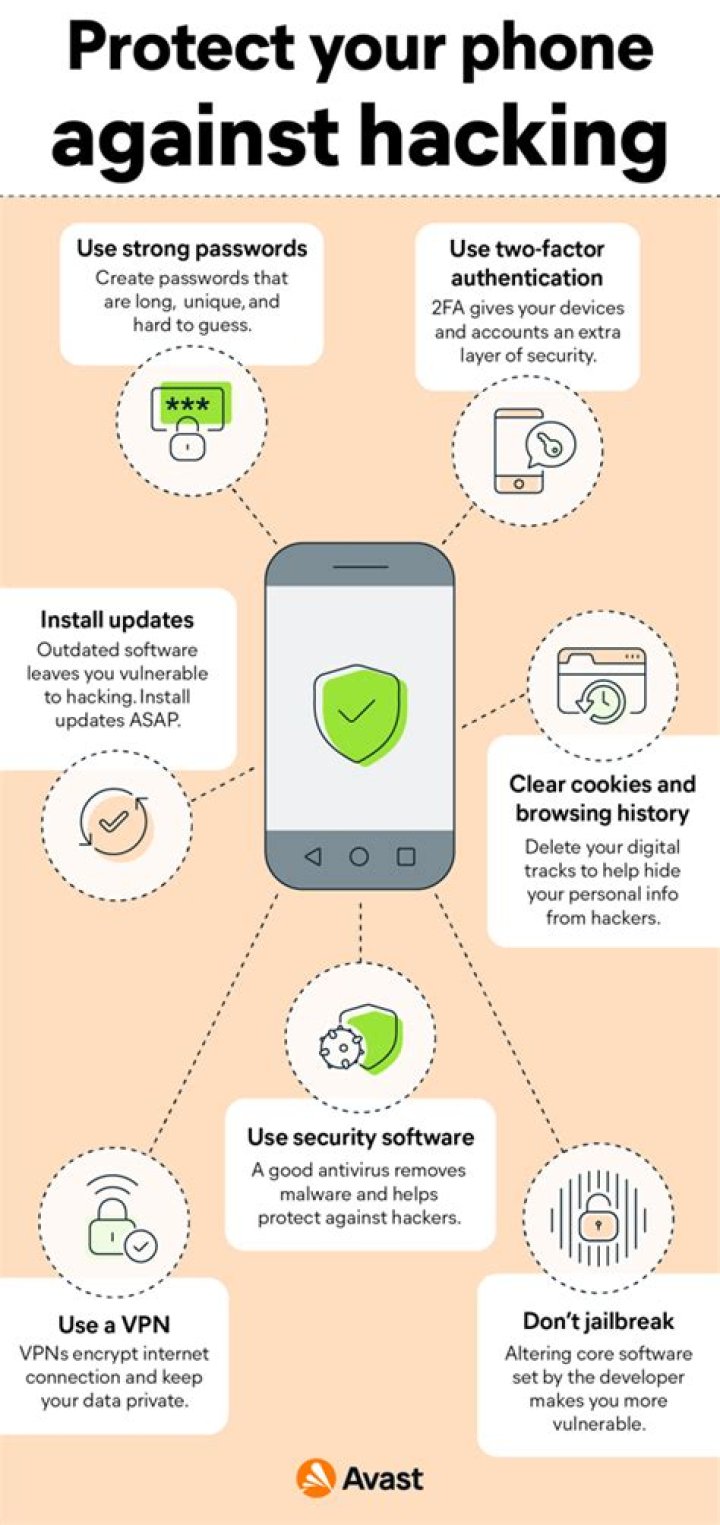
To protect yourself from these scammers, read app reviews before downloading, set your phone to a high security level and use a powerful mobile security tool.
A phishing attempt that redirects users to a fake website to trick them into revealing personal information, such as usernames or passwords.
A common and deceptive practice that leads people to websites that try to access their personal information, such as credit card information. Phishing websites often mimic the appearance of a legitimate website.
Phishing is a way of redirecting people to a website to access their personal information. This often involves attempting to disclose your credit card information through fraudulent methods. Phishing is .
Acts to attract financial information from an online account owner by impersonating a legit person. See questions related to online scams.
A method that uses legitimate-looking emails (such as from a well-known bank) to obtain personal information that can be used to steal a user's identity.
Attempts to obtain personal information such as usernames, passwords, and credit card information using fake emails from reputable sites.
It is an attempt to obtain sensitive information such as usernames, passwords and credit card information (and sometimes money indirectly), often for malicious reasons, by impersonating a trusted person in an email.
Phishing is a form of email scam in which an attacker sends emails that appear to come from a legitimate service or company, such as a bank or email service provider. These emails are designed to trick recipients into revealing sensitive information that the perpetrator can use for financial gain, such as login details and passwords for online banking.