Inorganic chemistry
What is the purpose of Inorganic Chemistry? Inorganic chemistry is used to research and develop catalysts, coatings, fuels, surfactants, materials, superconductors and drugs. Chemical reactions important in inorganic chemistry include double substitution reactions, acid-base reactions, and redox reactions.
What are some examples of Inorganic Chemistry?
Examples of inorganic chemistry are acids: HCl, H2SO4, HNO3, H3PO4, etc. Bases: NaOH, Mg(OH)2, KOH, Ca(OH)2 Salts: NaCl, MgSo4, KCl, CaCl2. Gas: oxygen, nitrogen, CO2, etc. Oxidizing agents: KMNO4, KClO4. Reducing agents: NaHSO3 (sodium thiosulfate).
Why do they study inorganic chemistry?
Environmental chemistry uses inorganic chemistry to understand how an uncontaminated environment works, which chemicals are present in nature, in what concentrations and with what effects. They also determine the effect of additives such as fertilizers on natural processes.
Why is inorganic chemistry considered to be important?
Inorganic chemistry is a very practical science. Traditionally, the country's economy has been valued for the production of sulfuric acid as it is one of the main elements used as an industrial raw material. Inorganic chemists work in a wide variety of fields, from mining to microchips.
Why is inorganic chemistry so important to science?
Inorganic chemistry is used to research and develop catalysts, coatings, fuels, surfactants, materials, superconductors and drugs. Chemical reactions important in inorganic chemistry include double substitution reactions, acid-base reactions, and redox reactions. Click here for a full answer. How important are inorganic compounds?
What kind of materials are used in Inorganic Chemistry?
These are generally materials that do not contain carbon-hydrogen bonds, including metals, salts and minerals. Inorganic chemistry is used to research and develop catalysts, coatings, fuels, surfactants, materials, superconductors and drugs.
Which is an example of an inorganic reaction?
Inorganic chemistry is used to research and develop catalysts, coatings, fuels, surfactants, materials, superconductors and drugs. Chemical reactions important in inorganic chemistry include double substitution reactions, acid-base reactions, and redox reactions.
 What's the difference between organic and inorganic chemistry?
The word "organic" refers to compounds containing carbon atoms. For example, the branch of chemistry that studies compounds that do not contain carbon-hydrogen atoms is called "inorganic chemistry." Simply put, it is the opposite of organic chemistry.
 What is the purpose of inorganic chemistry pdf
Like the other Instant Notes books, this overview is intended to provide an overview of the basic material that can be learned in the first and second years of undergraduate study.
 What is the subject matter of Inorganic Chemistry?
Inorganic chemistry deals with chemical elements (about a hundred) and the various compounds they form. The most descriptive topic is connected by some general concepts of structure, communication and reactivity, and in particular the periodic table and the underlying basis in atomic structure.
 What was added to inorganic chemistry second edition?
In preparation for the second edition, I added three more topics on reactions and synthesis, compound characterization and symmetry. In addition, a number of corrections and additions have been made, especially new items related to noble gases.
 What is the purpose of inorganic chemistry in biology
Inorganic chemistry is the study of the synthesis, structure and behavior of inorganic or organometallic compounds. Inorganic chemistry is used in almost all areas of the chemical industry, including catalysis, materials science, paints and pigments, surfactants, coatings, medicines, fuels and plastics. What is Inorganic Chemistry?
 Which is the best definition of Inorganic Chemistry?
Inorganic chemistry is defined as the study of the chemistry of materials of non-biological origin. These are generally materials that do not contain carbon-hydrogen bonds, including metals, salts and minerals.
How is inorganic chemistry used in everyday life?
Inorganic chemistry has many applications in various fields such as biology, chemistry, engineering, etc. It is used in both medicine and medical institutions. The most commonly used table salt or caustic soda in everyday life.
 What did the theory of Inorganic Chemistry lead to?
Theoretical inorganic chemistry. The inconsistency between qualitative theory (paramagnet) and observation (diamagnetism) has led to the development of magnetic coupling models. These improved models have led to the development of new magnetic materials and new technologies.
 How are inorganic compounds used in the world economy?
Inorganic compounds have a significant impact on the global economy due to their use in key industrial processes and products such as catalysis, pigmentation, surfactants, medicine, energy and electronic devices.
What is the purpose of inorganic chemistry ppt
The main tasks of inorganic chemistry in the near future will be the synthesis of compounds with unexpected bond types and structures, as well as the discovery of new reactions and physical properties of new compounds.
Why was the development of inorganic chemistry so rapid?
One of the reasons for the rapid development of inorganic chemistry is the development of methods to elucidate the structure of compounds using X-rays and other analytical instruments. The relationship between structure and function can now be largely explained by collecting structural data for inorganic compounds.
How are atomic orbitals expressed in Inorganic Chemistry?
Atoms are equivalent to alphabets in languages and all materials are c. The wave functions of the electrons in an atom are called atomic orbitals. The orbital of an atom is expressed by three quantum numbers, the principal quantum number n, the azimuthal quantum number l and the magnetic quantum number ml.
What is the purpose of inorganic chemistry class
Inorganic chemistry is defined as the study of the chemistry of materials of non-biological origin. These are generally materials that do not contain carbon-hydrogen bonds, including metals, salts and minerals. Inorganic chemistry is used to research and develop catalysts, coatings, fuels, surfactants, materials, superconductors and drugs.
How is inorganic chemistry used in the mining industry?
Inorganic chemistry is used in mining and mineral processing to produce finished metals and ceramics. Vale, Glencore, Suncor, Shenhua Group and BHP Billiton are involved in this work. Inorganic Chemistry Reviews and Publications There are many publications devoted to the development of inorganic chemistry.
What are the four classes of inorganic compounds?
The next section discusses four classes of vital inorganic compounds: water, salts, acids, and bases.
What kind of degree do you need to be an inorganic chemist?
To become an inorganic chemist generally requires a university degree (master's or doctorate). Most inorganic chemists want to get a college degree in chemistry. The Environmental Protection Agency (EPA) is an example of a government agency that uses inorganic chemicals.
 What is the purpose of inorganic chemistry journal
Inorganic chemistry is used to research and develop catalysts, coatings, fuels, surfactants, materials, superconductors and drugs. Chemical reactions important in inorganic chemistry include double substitution reactions, acid-base reactions, and redox reactions. In contrast, the chemistry of compounds with CH bonds is called organic chemistry.
Is the Journal of Inorganic Biochemistry a scientific journal?
The Journal of Inorganic Biochemistry is a recognized international forum for research into all aspects of inorganic biological chemistry. Original articles of high scientific level are published in the form of articles (full articles), short articles, specialized and bio-inorganic journals, etc.
 How is inorganic chemistry related to other sciences?
Inorganic chemistry studies the formation, synthesis, and properties of chemicals that do not have CH bonds. Inorganic chemistry is related to other fields such as materials science, mineralogy, thermodynamics, physical chemistry, spectroscopy, earth science, and crystallography. Related Inorganic Chemistry Journals.
 What is the Society of Biological Inorganic Chemistry?
This publication from the Society for Inorganic Biological Chemistry (SBIC) provides an overview of advances in understanding metal systems in biology at the biochemical, molecular and cellular levels. Synthetic analogs that mimic the function, structure, and spectroscopy of natural biological molecules are also of interest for assessment.
 What are some examples of an inorganic substance?
- Water (H2O) Water is a simple organic compound found in the home. Besides as drinking water, it is also useful in life.
- Salt (NaCl) The most commonly used salt in the house is NaCl. NaCl is used to flavor food. You can season it while cooking or at the table.
- Sulfuric acids (H2SO4) also belong to inorganic compounds. One of the simplest acids you can find at home is sulfuric acid (H2SO4).
 What are some examples of organic chemistry?
Here are some examples of how organic chemistry works: Polymers are made up of long chains and branched molecules. Petrochemicals are chemicals derived from crude oil or petroleum. While both are used for cleaning, soap and detergent are two different examples of organic chemistry.
 What are some examples of organic and inorganic compounds?
DNA table sugar or sucrose, C12H22O11 benzene, C6H6 methane, CH4 ethanol or grain alcohol, C2H6O.
What are some organic chemicals?
Organic chemicals are chemical compounds that contain carbon in their molecular structure. Other elements that usually compose these compounds are hydrogen, oxygen, nitrogen, sulfur and chlorine. Organic chemicals can be natural or synthetic.
 What are some examples of inorganic chemistry in everyday life
Another example of inorganic chemistry in everyday life is home furnishings. Some furniture, such as dishes, plates and cutlery, is made of inorganic compounds. Most inorganic compounds in furniture are steel and other metal structures.
What are the basics of Biochemistry?
Biochemistry, also called biological chemistry, is the study of chemical processes in and in relation to living organisms. Biochemical processes make life difficult. As a subdiscipline of biology and chemistry, biochemistry can be divided into three areas: molecular genetics, protein science and metabolism.
 What are the branches of Biochemistry?
Subdivisions of biochemistry: structural biochemistry, bio-organic chemistry, enzymology, metabolic biochemistry, xenobiochemistry, immunology, neurochemistry, chemotaxonomy, and chemical ecology. Biochemistry is a branch of science that studies chemical processes within and associated with living organisms.
 What are the uses of Biochemistry?
- Food inclusion. Biochemistry helps them determine the chemical composition of food.
- The role of nutrients. Biochemistry helps them understand the role of nutrients in human health.
- food test. A biochemical test allows them to determine the percentage or levels of nutrients in certain foods that they consume.
- Food restriction.
 What is basic biochemistry?
Essentially, biochemistry is concerned with the study of chemical processes in living matter. However, this simple definition encompasses an incredibly diverse field of research that touches virtually every aspect of their lives.
What are analytical techniques in chemistry?
Analytical technique. The analytical method is a method of determining the concentration of a chemical compound or element. There are many analytical methods, from simple weighing (gravimetric analysis) to titration (titrimetric) to very complex methods with highly specialized instruments.
 What does analytical chemist do?
An analytical chemist is someone who studies the composition and organization of a substance. You are trained to use qualitative and quantitative analysis to identify individual components and the internal structure of organic and inorganic substances.
 Why analytical chemistry is a branch of Science?
Analytical chemistry is the branch of chemistry that deals with the analysis of all types of chemicals. The principles of this chemistry are used to test the quality of food, medicines and other chemicals used in everyday life. Without analytical procedures it would be impossible to meet the strict safety standards for these chemicals.
 What is the meaning of analytical chemistry?
Analytical Chemistry. Department of Chemistry, which deals with the qualitative and quantitative determination of the chemical components of substances.
What do you need to know about bioinorganic chemistry?
INTRODUCTION • Bio-inorganic chemistry is an interdisciplinary branch of science that studies the chemistry of inorganic formations in biological and biochemical systems. • Includes: 1. Study of natural inorganic elements in biochemical systems 2.
What is the study of inorganic elements in biochemical systems?
Study of natural inorganic elements in biochemical systems 2. Artificial introduction of metals into biological systems as probes to determine the structure and functions of biomolecules and as drugs for the treatment of diseases 3. Search for inorganic elements in food. 4. Toxicity study of inorganic species.
Which is an example of an ionic bond?
IONIC LINK: When two atoms attract electrons to form ions. Cations - positively charged ions Anions - negatively charged ions Example: Na + 1 + Cl1 → NaCl Exercise: 1. Indicate the number of protons, neutrons and electrons for each of the following atoms or ions: a) 40Ar b) 40Ca2 + c) 39 thousand + d) 39 thousand 2.
What do physical chemists do?
A physicochemist is a scientist who studies physical chemistry, a branch of chemistry that focuses on the study of chemical phenomena within the framework of physical laws.
What are some examples of chemical and physical reactions?
Chemical change occurs as a result of a chemical reaction, and physical change occurs when matter changes shape, but not chemical identity. Examples of chemical changes are burning, boiling, rusting and rotting. Examples of physical changes are boiling, melting, freezing and grinding.
 What is chemical vs physical?
Physical reactions are also called physical reactions and chemical reactions are also called chemical reactions. Physical changes do not often change the composition of a substance, whereas in chemical reactions, molecules enter into a chemical reaction, chemically changing the composition of a substance.
What is the definition of Physical Chemistry?
Physical Chemistry. Last name. Physical chemistry is the branch of chemistry that deals with the physical structure of chemical compounds, their reaction with other materials, and the bonds that hold their atoms together. An example of physical chemistry is nitric acid that feeds on wood.
 What are some examples of organic chemicals?
- acid anhydrides
- Acyl halides
- Alcohols
- Aldehydes
- Alkenes
- Amides
- Amines
- Azo compounds
- carboxylic acids
- Esters
 What are the four main elements of organic chemistry?
- Carbohydrates Carbohydrates are composed entirely of carbon, hydrogen and oxygen. They contain starch and sugar and play an important role in your daily life.
- Lipids Lipids include fats and waxes.
- Proteins Proteins are made up of long chains of amino acids.
- Nucleic Acids Nucleic acids form long chains of components such as DNA and RNA.
What makes organic different from other areas of Chemistry?
Organic and inorganic compounds form the basis of chemistry. The main difference between organic compounds and inorganic compounds is that organic compounds always contain carbon while most inorganic compounds do not. Also, almost all organic compounds contain carbon hydrogen bonds or CH bonds.
 What are the most common organic compounds?
The most abundant organic compound on Earth in terms of chemical class are carbohydrates, one of the four so-called molecules of life, along with proteins, lipids, and nucleic acids.
 Why is it important to study organic chemistry?
Why organic chemistry is important. Organic chemistry is important because it studies life and all the chemical reactions associated with life. Many professions make use of knowledge of organic chemistry, for example: B. Doctors, veterinarians, dentists, pharmacologists, chemical engineers and chemists.
 Which is the best description of Inorganic Chemistry?
G. Speight, in Inorganic Environmental Chemistry for Engineers, 2017. If organic chemistry is defined as the chemistry of hydrocarbon compounds and their derivatives, inorganic chemistry can be broadly described as the chemistry of non-carbon or non-carbon compounds.
Which is the study of chemicals in living things?
Biochemistry is the study of chemicals found in living organisms (such as DNA and proteins). Inorganic chemistry studies substances that do not contain carbon. Organic chemistry deals with substances that contain carbon. Physical chemistry is the study of the physical properties of chemicals.
What kind of job does an organic chemist have?
Organic chemistry plays an important role in the development of commonly used household chemicals, foodstuffs, plastics, medicines and activates most chemicals in everyday life. An organic chemist is a chemist with higher education in chemistry.
 Why is inorganic chemistry considered to be important to society
It deals with the chemistry of all inorganic compounds and mainly deals with the chemistry of metals and especially transition metals. These elements play a fundamental role in industrial catalytic processes, which are necessary to produce substances and new materials at a rate much higher than the rate of natural chemical reactions.
What is organic chemistry and why is it important?
Organic chemistry is important because it studies life and all the chemical reactions associated with life. Many professions make use of knowledge of organic chemistry, for example: B. Doctors, veterinarians, dentists, pharmacologists, chemical engineers and chemists.
 How to prepare for Inorganic Chemistry?
- Please contact NCERT carefully. NCERT is a book on inorganic fracture chemistry.
- Understand basic concepts. Don't dive into the details until you understand the basics.
- Get regular exercise. It is important to practice.
- Write down the exceptions. You do this by writing exceptions 34 times.
 Why do they study inorganic chemistry past
Inorganic chemistry is the study of the combination and effects of inorganic and organometallic compounds. This area includes all chemical compounds with the exception of numerous organic compounds. Since this is quite a theoretical part of chemistry, students often find it difficult to study inorganic chemistry.
Which is the study of the chemical composition of living things?
Analytical chemistry tries to determine the exact chemical composition of substances. Biochemistry is the study of chemicals in living organisms (such as DNA and proteins). Inorganic chemistry studies substances that do not contain carbon. Organic chemistry deals with substances that contain carbon.
How long does it take to study inorganic chemistry?
First, learn inorganic chemistry from the NCERT textbook. Refer to other teacher-recommended books as needed. Second, it doesn't mean you don't have to learn it. You have to study inorganic chemistry for about 34 hours a day. This is the minimum and maximum, with no limits.
 Why is it important to study chemistry and biochemistry?
Chemistry is necessary to meet your basic needs for food, clothing, shelter, health, energy and clean air, water and soil. Chemical technology improves your quality of life in many ways and offers new solutions to health, material and energy use problems. Therefore, studying chemistry is helpful to prepare for real life.
 Why do they study inorganic chemistry quiz
While organic chemistry studies carbon and its interactions with other molecules, inorganic chemistry essentially studies all other atoms in the periodic table and their interactions. You can see that it contains many different atoms, each with unique properties that need to be studied.
How long has advances in Inorganic Chemistry been published?
The Advances in Inorganic Chemistry series has published thematic issues for the past 14 years that focus on the latest developments in specific areas of inorganic chemistry and serve the inorganic chemistry community in particular and chemistry in general.
Which is not an isolated branch of Chemistry?
Inorganic chemistry is not an isolated branch of chemistry. This fundamental science is fully integrated with other areas of chemistry such as organic, physical and analytical chemistry. It deals with the chemistry of all inorganic compounds and mainly deals with the chemistry of metals and especially transition metals.
 Which is the best way to learn chemistry?
Check your math. There will be a series of formulas and equations that you have to solve to study chemistry. If you don't know how to solve logarithmic or quadratic equations anymore, you should pay attention to some algebraic problems. They will help you solve similar problems in a chemistry class.
 Why do they study inorganic chemistry worksheet
Inorganic chemistry is the study of the formation, reactions, and properties of chemical compounds not associated with carbon-hydrogen bonds. Inorganic compounds can be classified into acids, bases, salts and oxides.
 How are inorganic compounds used in everyday life?
Inorganic compounds are important materials used in the manufacture of many goods, including household items, paper, fertilizers, building materials, textiles and electronics. You must be a member to unlock this tutorial. Are you a student or a teacher? Join and start learning now.
What can organic chemists do for a living?
Both organic and inorganic chemists can work to achieve a wide variety of goals. Organic chemistry often focuses on developing a wide variety of products, from everyday items such as cosmetics and detergents to commercial products such as agricultural pesticide sprays.
 What makes an organic compound different from an inorganic compound?
An organic compound must contain a carbon atom in its structure. But don't be surprised if you see other elements, such as hydrogen, nitrogen and oxygen. In contrast, inorganic compounds do not contain carbon atoms in their structure.
Why do they study inorganic chemistry book
Almost all biology subjects require organic chemistry to express its true power. Organic chemistry is the basis of chemistry.
 Which is the best book for Inorganic Chemistry?
Other books should be consulted: Lee's Brief Inorganic Chemistry (contains a lot of theory, so read it carefully) and Tandon's Inorganic Chemistry (contains theory and many different questions). Be careful when reading Tandon as it contains a lot of extra stuff that is not in the JEE program.
 Why do they study inorganic chemistry in science
Inorganic chemistry is one of the most fascinating of the many sciences that humans have been able to learn. Inorganic chemistry, an outgrowth of the broader field of chemistry, is very unique and interesting in its own way. Basically, it helps people study other elements on Earth, such as metals and minerals.
Which is the best description of organometallic chemistry?
Organometallic chemistry deals with organometallic compounds. Since many compounds are chemically identical without these bonds, an alternative may be compounds containing metal bonds that are predominantly covalent in nature. Organometallic chemistry combines elements of inorganic chemistry with organic chemistry.
Which is the opposite branch of organic chemistry?
For example, the branch of chemistry that studies compounds that do not contain carbon-hydrogen atoms is called "inorganic chemistry." Simply put, it is the opposite of organic chemistry.
 Why is inorganic chemistry considered to be important to humans
The inorganic compound in the base is mainly for hard materials, and also for stone material for a range of inorganic compounds better than organic compounds. This shows how people can encounter inorganic chemistry in everyday life. Some medications found in the home medicine cabinet are made up of inorganic compounds.
Which is an inorganic compound essential to human functioning?
Inorganic compounds essential for human functioning include water, salts, acids and bases. These compounds are inorganic, meaning they do not contain hydrogen or carbon. Water is a lubricant and cushion, a heat sink, a component of liquid mixtures, a byproduct of dehydration synthesis reactions, and a reagent in hydrolysis reactions.
Which is an example of an inorganic compound?
These compounds are generally inorganic or organic. An inorganic compound is a substance that does not contain carbon or hydrogen. Many inorganic compounds contain hydrogen atoms, such as water (H 2 O) and hydrochloric acid (HCl), which are produced by the stomach.
Why is inorganic chemistry considered to be important to science
Inorganic chemistry underlies many practical technologies, including catalysis and materials, energy conversion and storage, and electronics. Inorganic compounds also exist in biological systems where they are essential for life processes.
Which is the most common application of Inorganic Chemistry?
Inorganic Chemical Applications. It is used both in the medical world and in healthcare facilities. The most commonly used table salt or caustic soda in everyday life. Baking soda is used to bake cakes and other foods. Many inorganic compounds are used in the ceramic industry.
Why is the persistence of inorganic chemicals important?
For ecosystems in which flora and fauna live, the persistence of a chemical (inorganic and organic) is an extremely important criterion for predicting possible damage, as there are inevitably species that are susceptible to chemical or persistent chemicals.
Why are inorganic substances important to water quality?
Wastewater and natural water have a number of inorganic components in common and are important for determining and controlling water quality. Inorganic water pollution results from the discharge of treated and untreated sewage, various geological formations and inorganic substances that remain in the water after evaporation.
How are inorganic chemicals used in everyday life?
Inorganic chemicals thus find application in all aspects of the chemical industry, including catalysts, pigments, surfactants, coatings, medicines, fuels and agriculture.
How are inorganic compounds different from organic compounds?
The general difference between inorganic and organic compounds is that inorganic compounds are the result of natural processes not associated with any form of life, or the result of human experiments in the laboratory whereas organic compounds are the result of the activities of living things.
 How is inorganic chemistry related to the periodic table?
Inorganic chemistry studies the behavior of these compounds, as well as their properties, their physical and chemical properties. The elements of the periodic table, with the exception of carbon and hydrogen, are listed as inorganic compounds.
 Are there handwritten notes for Inorganic Chemistry?
Inorganic chemistry takes less time to learn than digital parts. Here I offer you free handwritten notes on inorganic chemistry for iit jee mains & Advance that you can download in PDF format for free. These notes are chapter by chapter.
 Are there any inorganic chemistry notes for IIT JEE?
Download the inorganic chemistry notes by following the chapter for IIT JEE Mains And Advance. As you prepare for the foundation course and progress, you will need to complete some of the inorganic chemistry. Inorganic chemistry takes less time to learn than digital parts.
Are there handwritten notes for resonance chemistry?
Handwritten notes on inorganic resonance chemistry for JEE contain informative questions. JEE Main, Advanced and IIT are the main exams for all engineering students, so here they provide handwritten notes in pdf to prepare for the IIT JEE exams.
 Is there a scientific journal for Inorganic Chemistry?
Inorganic Chemistry is a biweekly peer-reviewed scientific journal published by the American Chemical Society since 1962. It covers research in all areas of inorganic chemistry.
Who is the current editor of Inorganic Chemistry?
Inorganic chemistry is grouped and indexed into Chemical Abstracts Service, Scopus, EBSCOhost, ThomsonGale, ProQuest, PubMed, Web of Science, and SwetsWise. The current editor is William B. Tolman. This article from a chemistry magazine is an excerpt.
What is the impact factor of Inorganic Chemistry?
The impact factor for inorganic chemistry 2018 was only updated in 2019. Compared to the historical impact factor data, the impact factor for inorganic chemistry 2018 has increased by. The quartile of the impact factor for inorganic chemistry is Q1.
What is the growth rate of Inorganic Chemistry?
The global growth rate of inorganic chemistry SI is equal to The annual growth rate of inorganic chemistry SI is equal to · In the field of research in the field of physical and theoretical chemistry, the quartile of inorganic chemistry is Q1. Inorganic Chemistry ranks 19th out of 162 relevant journals in the Physical and Theoretical Chemistry research category.
 Inorganic chemistry acs
Department of Inorganic Chemistry ACS The Department of Inorganic Chemistry (DIC) is a diverse group of scientists who have come together to understand and promote the richness of elemental chemistry with a focus on organometallic chemistry, bio-inorganic chemistry, solid and material chemistry, chemistry and nanoscience.
What is ACS in chemistry?
Budget (2016) The American Chemical Society (ACS) is a scientific society in the United States that supports scientific research in the field of chemistry. Founded in 1876 at New York University, ACS currently has approximately 157,000 members at all levels and in all fields of chemistry, engineering, and related fields.
What are inorganic chemical functions?
Inorganic chemical functions Oxides. Oxides are double or binary compounds in which one or more oxygen atoms combine with other elements. Bases or hydroxides. Hydroxides are ternary compounds formed by combining certain base metals or oxides with water. Sour sales.
What is the study of Inorganic Chemistry?
Inorganic chemistry is defined as the study of the chemistry of materials of non-biological origin. These are generally materials that do not contain carbon-hydrogen bonds, including metals, salts and minerals. Inorganic chemistry is used to research and develop catalysts, coatings, fuels, surfactants, materials, superconductors and drugs.
Inorganic chemistry definition
Inorganic chemistry is defined as the study of the chemistry of materials of non-biological origin. These are generally materials that do not contain carbon-hydrogen bonds, including metals, salts and minerals.
Which chemical compound is most likely inorganic?
Inorganic compounds include water, sodium chloride, potassium hydroxide and calcium phosphate. Water is the most abundant inorganic compound and makes up more than 60% of the volume of cells and more than 90% of body fluids such as blood.
What are examples of inorganic substances?
Inorganics are a group of chemicals that do not contain carbon. Some examples are ammonia, hydrogen sulfide, all metals and most elements (for example, calcium).
What are some examples of inorganic matter?
Examples of inorganic compounds: table salt or sodium chloride, carbon dioxide NaCl, diamond CO 2 (pure carbon), silver, sulphur.
 What is the intro to chemistry?
Introduction to Chemistry. An Introduction to Chemistry, also referred to as 'Foundations of Chemistry', is usually a two-semester series of chemistry courses that discuss the basic principles and applications of chemistry in the natural sciences.
 What does inorganic chemistry include?
Inorganic chemistry studies the properties and behavior of inorganic compounds, including metals, minerals, and organometallic compounds. Although organic chemistry is defined as the study of carbonaceous compounds, and inorganic chemistry is the study of the remaining subset of compounds that are not organic compounds, there is an overlap between the two fields (e.g., organometallic compounds, which are generally metals or metals). ). containing metalloid). directly associated with carbon).
 What are the inorganic elements?
Inorganic substances include all pure elements, salts, many acids and bases, metals, alloys and minerals. Compounds in which a non-carbon atom forms a chemical bond with hydrogen are inorganic. Examples of inorganic substances: sodium chloride (table salt), NaCl. Argon, op. Silver, Ag Brass. Glass, SiO2.
What is meant by physical chemistry?
Physical chemistry is the study of macroscopic and particle phenomena in chemical systems in relation to the principles, practices and concepts of physics such as motion, energy, force, time, thermodynamics, quantum chemistry, mechanical statistics, analytical dynamics and equilibrium.
What is the study of Physical Chemistry?
Physical chemistry is the study of macroscopic, atomic, subatomic and solid particles in chemical systems in relation to the principles, practices and concepts of physics such as motion, energy, force, time, thermodynamics, quantum chemistry, statistical mechanics, analytical dynamics. and chemical equilibrium.
Why is physical chemistry important?
Physical chemistry is fundamental to understanding other branches of chemistry. This provides a framework for understanding the thermodynamic influences (mainly the entropy changes associated with reactions) that drive chemical reactions.
Inorganic chemistry is the study of the structure and behavior of inorganic and organometallic compounds is known as inorganic chemistry. This area encompasses chemical substances that are not carbon-based, as opposed to organic chemistry’s topics.
Inorganic chemistry
Inorganic chemistry is the knowledge of a non-carbon-containing subset of substances, while Organic chemistry studies the remaining carbon-containing chemicals. However, there may be some overlap between the two fields.
Inorganic chemistry studies the characteristics and behavior of inorganic substances such as metal, minerals, and organometallic compounds.
The separation between the two fields is not total since substantial overlap exists in the subdiscipline of organic chemistry. Catalysis, materials science, pigments, surfactants, coatings, pharmaceuticals, fuels, and agriculture are just a few of the industries where it may be found.
Important Ideas
Many inorganic compounds are ionic compounds, which are made up of cations and anions bonded together by ionic bonding.
Salts (ionic substances) include magnesium chloride MgCl2, which contains magnesium cations Mg2+ and chloride anions Cl, and sodium oxide Na2O, sodium cations Na+, and oxide anions O2. The ion proportions in any salt are such that the electric charges cancel out, resulting in an electrically neutral bulk molecule.
The oxidation state of the ions describes their oxidation state, and the ease of creation may be extrapolated from the parent elements’ ionization potential (for cations) or electron affinity (anions).
Oxides, carbonatess, sulfates, and halides are important classes of inorganic chemicals. Many inorganic substances have very high melting points. In solid form, inorganic salts are often poor conductors.
Other noteworthy characteristics are their high melting point and ease of crystallization. Some salts (for example, NaCl) are highly soluble in water, whereas others (for example, FeS) are not.
The most superficial inorganic reaction is double displacement when two salts are mixed, and their ions are exchanged without changing their oxidation state.
Minerals are examples of inorganic compounds. Soil may include iron sulphide in the form of pyrite or calcium sulphate in the form of gypsum.
inorganic substances may also be found acting as biomolecules, such as electrolytes (sodium chloride), energy storage (ATP), and building materials (the polyphosphate backbone in DNA).
The Haber process produced the first significant artificial inorganic substance, ammonium nitrate, used for soil fertilization. inorganic compounds, such as vanadium(V) oxide and titanium(III) chloride, are created as catalysts or as organic chemistry reagents, such as lithium aluminum hydride.
Organometallic chemistry, cluster chemistry, and bioinorganic chemistry are subfields of inorganic chemistry. These are active areas of study in inorganic chemistry to develop novel catalysts, superconductors, and medicines.
Inorganic Chemistry in Industry
inorganic chemistry is an instrumental branch of science. Historically, the size of a country’s economy could be measured by its sulfuric acid output. Another practical use of industrial inorganic chemistry is the production of fertilizers, which often starts with the Haber-Bosch process.
Inorganic Chemistry in a nutshell
Descriptive inorganic chemistry is concerned with classifying substances based on their attributes. Part of the categorization is based on the periodic table location of the compound’s heaviest element (the element with the immense atomic weight), and part is based on structural similarities.
Chemistry of Coordination
metal are attached to “lone pairs” of electrons on the significant group atoms of ligands such as H2O, NH3, Cl, and CN in classical coordination compounds. Almost any organic or inorganic chemical may be utilized as a ligand in contemporary coordination compounds.
The “metal” is commonly a metal from groups 3-13, as well as trans-lanthanides and trans-actinides. However, any chemical compounds may be regarded as coordination complexes from a specific point of view.
Werner’s separation of two enantiomers of [Co((OH)2Co(NH3)4)3]6+, an early showing that chirality is not inherent in organic compounds, hinted to the stereochemistry of coordination complexes being highly rich. Supramolecular coordination chemistry is a hot issue in this area.
Compounds Containing Transition Metals
Transition metal compounds are those that include metal from groups 4 to 11. Compounds containing a metal from group 3 or 12 are occasionally included in this group. However, they are also often categorized as main group compounds.
Transition metal compounds have various coordination chemistry, ranging from tetrahedral titanium (e.g., TiCl4) to square planar nickel complexes to octahedral cobalt coordination complexes.
Summary
Carbon atoms are found in organic compounds. The study of substances that lack carbon-hydrogen atoms is known as inorganic chemistry. Organic Chemistry is diametrically opposite to it. Metals, salts, and chemical compounds do not have carbon-hydrogen bonds.
Chemistry of Organometallics
The M-C-H group is often found in organometallic compounds. The metal (M) may be either the main group element or a Transition metal in these species. In practice, the concept of an organometallic compound is broader.
Organometallic compounds are regarded as a unique category primarily because organic ligands are often vulnerable to hydrolysis or oxidation, requiring the adoption of more specific preparative procedures in organometallic chemistry than was previously used in Werner-type complexes.
The discovery of exceptionally weakly coordinating ligands such as hydrocarbons, H2, and N2 was made possible by synthetic methods, particularly the capacity to alter complexes in low coordinating power solvents.
Because the ligands are petrochemicals in specific ways, organometallic chemistry has profited enormously from their industrial importance.
Compounds in Solid-state
This required field focuses on material structure, bonding, and physical qualities. In practice, solid-state inorganic chemistry use methods such as crystallography to acquire a knowledge of the characteristics that come from the collective interactions of the solid’s subunits.
metal and their alloys or intermetallic compounds are included in solid-state chemistry. Condensed matter physics, mineralogy, and materials science are all related subjects.
Chemistry of Bio-organometallics
These substances are naturally occurring by definition. However, the subfield includes anthropogenic species such as contaminants (e.g., methylmercury) and pharmaceuticals (e.g., Cisplatin).
The area, which encompasses many elements of biochemistry, contains many different types of compounds, such as the phosphates in DNA, as well as metal complexes containing ligands ranging from biological macromolecules, often peptides, to ill-defined species such as humic acid and water (e.g., coordinated to gadolinium complexes employed for MRI).
The study of both non-essential and essential elements with applications to diagnosis and therapy is covered by medicinal inorganic chemistry.
Inorganic Chemistry theory
An alternate viewpoint on the field of inorganic chemistry starts with the Bohr model of the atom. It then develops into bonding in simple and then more sophisticated molecules utilizing theoretical chemistry and computational chemistry tools and models.
This difficulty has given rise to many semi-quantitative or semi-empirical techniques, such as molecular orbital theory and ligand field theory. Along with these theoretical explanations, approximation approaches such as density functional theory are used.
Theories of Quality
Qualitative ideas have tremendously aided inorganic chemistry. Such theories are simpler to understand since they need minimal prior knowledge of quantum physics.
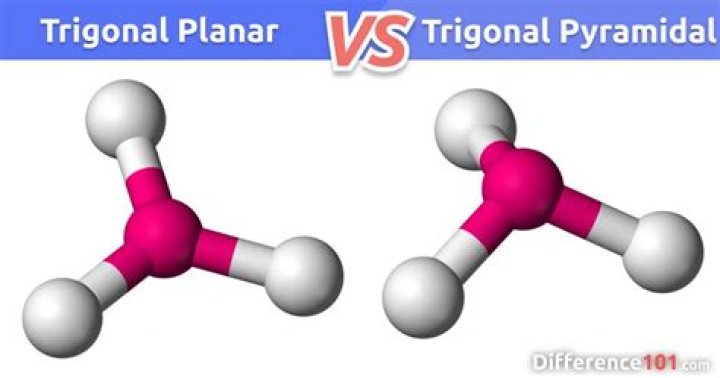
VSEPR theory strongly predicts, or at least rationalizes, the structures of main group compounds, such as why NH3 is pyramidal yet ClF3 is T-shaped.
For transition metal, crystal field theory explains the magnetism of many simple complexes, such as why [Fe3(CN)6]3 has only one unpaired electron but [Fe3(H2O)6]3+ has five.
A particularly effective qualitative technique to evaluate structure and reactivity starts with identifying molecules based on electron counting, emphasizing the number of valence electrons, often at the central atom in a molecule.
A theorem of Molecular Symmetry Groups
The notion of molecular symmetry is a crucial concept in inorganic chemistry. The language of mathematical group theory is used to describe the shapes of molecules based on their point group symmetry. Theoretical computations may also be factored in and simplified using group theory.
Spectroscopic characteristics are examined and defined in terms of the symmetry qualities of different states, such as vibrational or electronic states.
The ability to forecast the quantity and intensity of absorptions in vibrational and electronic spectra is enabled by knowledge of the symmetry features of the ground and excited states.
Predicting the number of C-O vibrations in substituted metal carbonyl complexes is a classic application of group theory.
Inorganic Compound
An inorganic compound is a chemical mixture that lacks carbon-hydrogen bonds, i.e., and it is not an organic molecule. The difference, however, is not well defined; experts have various opinions on the matter. inorganic chemistry is a discipline of chemistry that studies inorganic substances.
Organic versus Inorganic Compound
| Organic | Hexane | Inorganic | NaCI |
|---|---|---|---|
| low melting points | -95°C | high melting points | 801°C |
| low bolling points | 69/C | high bolling points | 1,413°C |
| low solubility in water, high solubility in nonpolar solvents | inscluble in water, soluble in gasoline | greater solubility in water low solubility in nonpolar soivents | soluble in water, insoluble in gasoline |
| fammable | highly fammable | nonfiammable | nonfammable |
| aqueous solutions do not conduct electricity | nonconductive | aqueous solutions conduct electricity | conductive in aqueous solution |
| exhibit covalent bonding | covalent bonds | exhibit lonic bonding | bonds |
The majority of the Earth’s crust is made up of inorganic materials. However, the contents of the deep mantle are still being studied.
Some simple carbon compounds are often referred to be inorganic. Some examples are carbon monoxide, carbon dioxide, carbides, and salts of inorganic cations carbonatess, cyanides, cyanates, and thiocyanates.
Many of these are natural components of predominantly organic systems, including organisms; labeling a chemical as inorganic does not always imply that it exists in living things.
Inorganic Chemistry and Thermodynamics
The energy of reactions is the subject of an alternative quantitative approach to inorganic chemistry. This method is highly conventional and empirical, yet it is also effective. Redox potential, acidity, and phase shifts are examples of broad ideas couched in thermodynamic terms.
The Born-Haber cycle is a basic idea in inorganic thermodynamics used to calculate the energies of elementary processes such as electron affinity, some of which cannot be seen directly.
Inorganic Synthesis Chemistry
inorganic synthesis processes may be loosely categorized based on the volatility or solubility of the component reactants.
Organic synthesis techniques are used to create soluble inorganic chemicals. Schlenk line and glove box procedures are used for metal-containing chemicals that are reactive to air.
Volatile substances and gases are handled in “vacuum manifolds,” made out of glass pipes linked by valves and maybe evacuated to 0.001 mm Hg or less. Liquid nitrogen (b.p. 78K) or other cryogens are used to condense compounds.
Summary
Organic chemistry is concerned with the synthesis and behavior of organic chemicals (carbon-based molecules), while inorganic chemistry is concerned with inorganic and organometallic compounds.
Frequently Asked Questions
People Usually ask many questions about Inorganic Chemistry. A few of them are discussed below:
1. How can you distinguish between organic and inorganic compounds?
The primary distinction between organic and inorganic compounds is that carbon is necessary for all organic substances, while inorganic substances may or may not include carbon. Organic compounds are chemical molecules with carbon in their structure.
2. Is inorganic chemistry a viable professional path?
According to the BLS, the employment growth rate for chemists and materials scientists will be 5% until 2029. When compared to other occupations, this is considered quicker than expected. Ph. D. holders are believed to have the highest professional chances.
3. What is the significance of inorganic compound research in our lives?
Rubber, plastics, gasoline, pharmaceutical, cosmetics, detergent, coatings, dyestuffs, and agricultural sectors rely on organic and inorganic compounds. Organic substances and their roles in biological processes serve as the cornerstones of biochemistry, biotechnology, and medicine.
4. What is the difference between organic and inorganic acid?
The primary distinction between organic acids and inorganic acids is that organic acids are organic molecules with acidic qualities and are often weak acids. In contrast, inorganic acids are inorganic compounds with acidic properties and are typically strong acids.
5. What role does organic chemistry play in our everyday lives?
Organic molecules are significant because they serve as the foundation for all carbon-based life on Earth, generate energy in biological life, deplete the atmosphere, and release hydrocarbon energy.
Conclusion
Inorganic chemistry is the polar opposite of organic chemistry. The study of non-carbon-hydrogen-bonded molecules, their synthesis, and their characteristics. Roughly 100,000 inorganic compounds and around 2,000,000 organic compounds are known. Organic chemistry is employed in many fields of chemistry, including catalysis and materials research