Aphids on plants
What are aphids and how do they harm plants? Aphids seem to have found a place for themselves in every garden. They are small, soft insects that feed by sucking nutrient-rich liquids from plants. In large quantities, they can significantly weaken plants and damage flowers and fruits. Aphids reproduce quickly, so it's important to keep an eye on them before they reproduce.
How do aphid cause damage to plants?
How do aphids damage plants? feeding process. The mouth of the aphid consists of two specialized ducts, the digestive tract and the salivary duct. Direct damage to food due to yellowing and wilting. Most plants can tolerate a light aphid diet without noticeable damage. Folded sheets. Transmission of the virus. Nectar. Consequences of food-related damage.
How to get rid of aphids on plants?
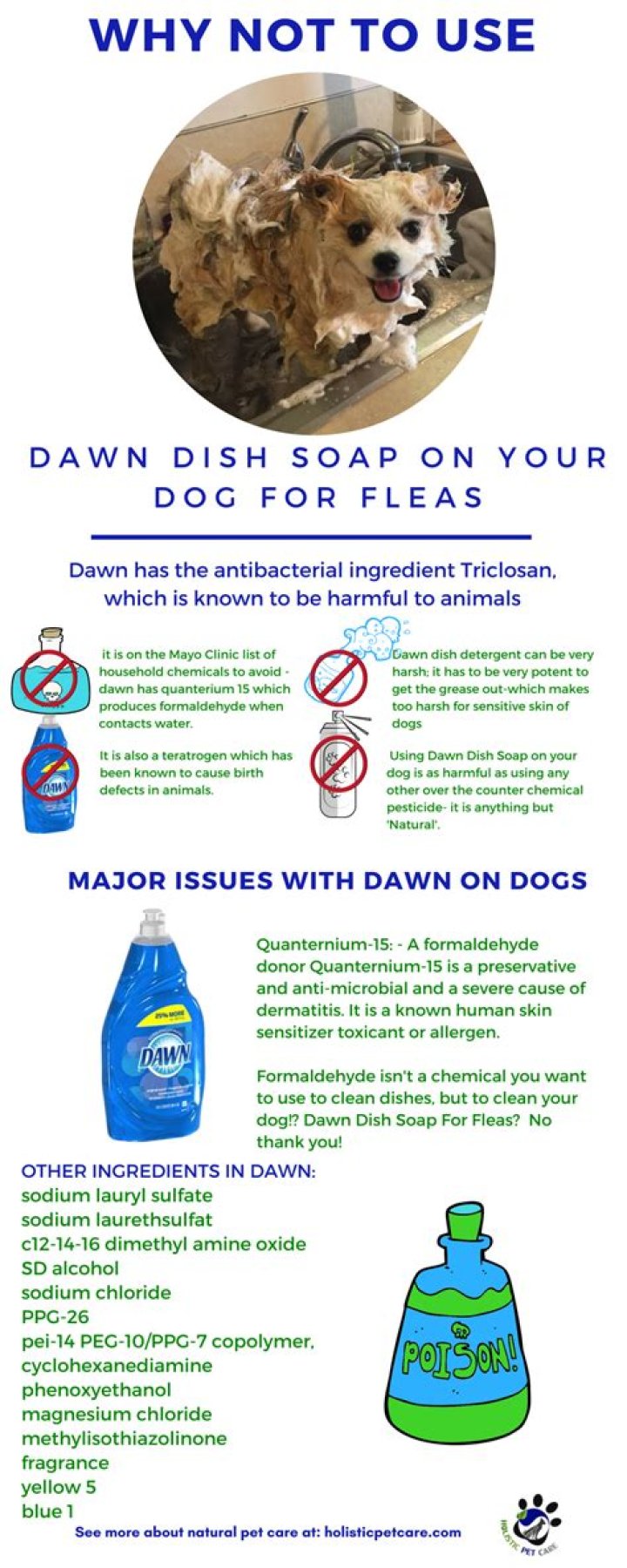
How to get rid of aphids on plants? To get rid of aphids on plants, spray them with a mixture of water, dish soap, and rubbing alcohol. Neem oil is another spray that kills aphids. Onions, garlic, garlic or orange extract repel aphids.
How do aphids get on my indoor plants?
Aphids can affect your houseplants in two ways. When you bought it, your plant already had eggs or they came from outside. Removing aphids is as easy as using insecticidal soap. If you notice new eggs or aphids, soak them in soap.
What kills aphids organically?
Pampering and feeding your natural enemies is a great way to control aphids biologically. Introduce beneficial insects such as lacewings and ladybugs into your garden to naturally kill aphids. Nearby plantings of mint, fennel, dill, yarrow and dandelion will attract these insects to your yard.
What should I use to keep aphids off vegetable plants?
- #1 Stay tuned. First of all, you need to keep an eye on these little critters at all times.
- #1 Use water to stop aphids. One of the easiest and most effective ways to naturally stop aphids is to use a strong jet of water.
- No. 2 accompanying landings.
- #3 chili/garlic oil spray.
- #4 Attract insects to stop aphids.
 What are the aphid's favorite edible plants?
Aphids generally appear in clusters on young leaves and shoots and prefer peas, cucumbers, beans, melons, potatoes, pumpkin, cabbage and tomatoes. While this requires vigilance, it can prevent your vegetable crops from being destroyed by hungry pests. Check your garden plants for aphids at least twice a week.
 What are aphids and how do they harm plants and animals
Aphids are tiny insects that gardeners hate. Aphids may seem small, but they are harmful to gardens because they destroy plants. These pests have small mouths and eat and feed plants.
 How to get rid of aphids naturally?
Neem oil is great for killing aphids naturally. Mix one tablespoon of neem garden oil with one tablespoon of liquid castile soap in a gallon of water. Then pour it into a bottle and spray the plants. Another option is to boil the neem leaves until the water changes color.
 Why are aphids bad?
Aphids are bad for the garden because all these little critters make your plants look rancid. It really is death by a thousand cuts. An aphid infestation can distort or kill your flowers or vegetables. Aphids can also transmit disease viruses between plants.
 Can aphids live on people?
New. Some of the larger aphids have been reported to bite humans in the wild, although rarely, but generally they do no harm to humans. Also, aphids do not tolerate diseases or pests for humans.
 What keeps aphids away?
Spearmint and peppermint repel aphids and their blooms will attract beneficial insects to your garden. Chives, coriander, mint, catnip and dill are other beneficial herbs that protect vegetables, trees and flowers from aphids.
How do aphids cause damage to plants and birds
Aphids are more dangerous to plants and transmit many viruses. Aphids from crowded hosts begin to produce winged young, which move to less crowded habitats. In flight, insects cannot identify host plants.
 What are aphids and how do they affect your garden?
Aphids seem to have found a place for themselves in every garden. They are small, soft insects that feed by sucking nutrient-rich liquids from plants. In large quantities, they can significantly weaken plants and damage flowers and fruits. Aphids reproduce quickly, so it's important to keep an eye on them before they reproduce.
What do aphids eat and what do they eat?
Nymphs and adults feed on plant sap and, depending on the species, attack leaves, stems, shoots, flowers, fruits and/or roots. Most aphids especially like succulents or growths. Some, such as the green peach aphid, feed on a variety of plants, while others, such as the pink apple aphid, concentrate on one or more host plants.
How do I get rid of aphids on my plants?
A small number of individual colonies on small plants can be crushed by hand or pruned if found. In some cases, this can provide sufficient control. If colonies of aphids are found on approximately 5% or more of the leaf tips of a plant or plantation, control measures should be considered.
 Do aphids have bacteria as partners?
Yes, you heard that right. The husbands of the aphids are bacteria. This unlikely link to Buchnera aphidicola interacts in a dependent relationship, providing aphids with the amino acids they need. Plant sap contains little nitrogen, which aphids need to grow.
 How do aphids damage plants?
Aphids are harmful by sucking the sap of plant neoplasms. They tend to cluster at the growing tips of plants and cling to soft green stems. As a result, new foliage may appear wrinkled or stunted, and aphids are often clearly visible around the stem.
How to naturally rid aphids from vegetable plants?
As mentioned above, there are several ways to prevent aphids from invading your plants: Spray them with a mixture of garlic, water and a drop of soap. This will make your plants unattractive to aphids. Treat your garden with neem oil using beneficial insects such as ladybugs, parasitic wasps and lacewings.
What do plants do for aphids?
Garlic and garlic repel aphids when planted next to lettuce, peas and roses. Aphids deter catnip. Aphids are especially attracted to mustard and nasturtiums. Plant them next to the more valuable plants like aphid traps. Nasturtiums spoil the flavor of fruit tree sap for aphids and help keep aphids away from broccoli. Garlic and garlic repel aphids when planted next to lettuce, peas and roses.
 What are aphids and how do they harm plants and dogs
Aphids don't bite people or animals, but their appearance in your yard should alert you that something needs to be done. They pose no threat to humans or animals, but they can quickly eat your plants. Aphids are one of the most destructive insects in the modern world.
Can aphids transmit viruses to plants?
Volatile viruses can directly infect a healthy plant. This mode of transmission of the virus by aphids is the most difficult to avoid, as once the aphid carrying the virus attacks the host plant, the infection occurs immediately, resulting in a loss of productivity.
 Should I remove sap from my plants to control aphids?
Aphid control is especially beneficial in new plantings, where weakening is more likely to affect the overall vitality of the plant. Well established and otherwise healthy plants can tolerate moderate to severe aphid infestations, although affected leaves may wilt, yellow and rot prematurely.
What are aphids and how do they harm plants and flowers
They are small, soft insects that feed by sucking nutrient-rich liquids from plants. In large quantities, they can significantly weaken plants and damage flowers and fruits. Aphids reproduce quickly, so it's important to keep an eye on them before they reproduce.
What plants do aphids eat?
Aphids feed on sap while some species only feed on a certain type of plant. Most aphids feed on various types of roses, others on bamboo, willow, oak, walnut, maple, sugar cane, lettuce, alfalfa, etc. Some aphids also feed on vines.
Do aphids spread from plant to plant?
Aphids are a common carrier of viruses and can transmit them from plant to plant, often fatal in crops such as citrus fruits, potatoes and grains. Aphids secrete a sticky substance called honeydew that attracts ants, so following an ant trail on a plant can often lead to an aphid infestation.
What are aphids and why are they so dangerous?
Many growers fear them because they can lead to yellowing, leaf disease, stunted growth, curled leaves, browning, low yields and even plant death. When they talk about aphids or aphids, they generally refer to the superfamily of insects, which includes more than 4,000 species of specific plant pests.
 How do you know if you have aphids on your plants?
The appearance of mold and soot on plants may be the first detection of an aphid infestation. The droplets can attract other insects such as ants and feed on sticky dirt. Some aphids are very important vectors of plant viruses.
 What are aphids and how do they harm plants and trees
Aphids are small insects that suck sap from under the leaves of a fruit tree. This loss of sugar and moisture causes the leaves to curl up, turn yellow, and fall off. They also deposit honeydew, which attracts ants. If left unchecked, aphids can harm, slow or kill the health of the fruit tree.
What are aphids attracted to?
Aphids love nitrogen, plain and simple. They are attracted to the soft parts of the growing plant, which are rich in nitrogen, as this is an important factor in plant growth. Aphids are also very attracted to young seedlings, as everything grows on the seedlings and contains a lot of nitrogen.
Where do aphids live?
Aphids are found all over the world in temperate and tropical climates on or near the plants they eat. They stimulate the growth of new plants/shoots and like to hide in curled leaves.
What do aphids look like?
Most aphids are pear-shaped with long antennae and long legs. Some species, such as woolly aphids, have a woolly or waxy coat. This is caused by the secretion they produce. In other species there is no secretion.
How do aphids cause damage to plants and flowers
In an open garden, aphid colonies are often cared for by ants that feed on honeydew, the sweet liquid that aphids secrete when they feed on sap. Aphids wreak havoc by sucking sap from plant growth. They tend to cluster at the growing tips of plants and cling to soft green stems.
How do aphids affect plant growth?
Aphids consume fluids and nutrients from all parts of the plant, including leaves, stems, new shoots and flowers, which can also affect plant growth. Aphids tend to colonize new buds and flower buds. As a result, flowers, buds, or buds may appear stunted, misshapen, or unhealthy.
Does stress cause aphids to attack?
Stress contributes to the appearance of pests. In general, if aphids infest a plant in sufficient numbers and you start to notice damage, you will most likely feel unhappy and stressed before the plants appear. Insect pests, as a rule, attack weakened plants, which for some reason struggle and lose their vitality.
 What are aphids and what do they eat?
Nymphs and adults feed on plant sap and, depending on the species, attack leaves, stems, shoots, flowers, fruits and/or roots. Most aphids especially like succulents or growths. It is important to monitor your plants for signs of aphid damage as aphids may not be visible.
 What causes aphids to emerge from the winter egg?
Usually the first generation that hatches from the winter egg is wingless. However, after several generations, there may not be enough space on the host plant. This leads to the birth of a generation of winged aphids that can migrate to other hosts. Some aphids only feed on certain types of plants.
Are aphids bad for your garden?
Aphids are a bad pest in your garden: Aphids are garden pests and are small translucent green insects that are difficult to spot. The females give birth to live young, which allows them to occupy the garden and grow very quickly.
 How to treat aphids organically?
Start by diluting a few tablespoons of natural organic soap (such as Castile soap) in a bucket of water. Apply soapy water to the plant with a spray bottle or sponge. Be sure to treat the leaves on both sides as aphid eggs and larvae hide.
Where do aphids go in winter?
Aphid habitat. There are many species of aphids in North America. These garden pests are usually most active in the spring and diminish as the outside temperature rises. They feed on plants, especially newly formed plants and shoots, and the eggs can survive the winter.
How to get rid of ants in garden
 Will soapy water kill aphids?
Answer. When sprayed with aphids, a solution of dish soap and water will kill aphids and many other soft insects such as caterpillars, thrips, mealybugs, mites, crickets, bed bugs and whiteflies. Most of this soap consists of potassium salts of fatty acids.
 Does tomato leaf spray kill aphids?
Sprinkle tomato leaves. These alkaloids are useful for aphid control when sprayed on soggy leaves. Spraying tomato leaves not only kills aphids, but also attracts beneficial predatory insects that "hide" from the smell of tomato and potato plants in search of prey.
 How to get rid of aphids on plants with insecticide
Clean all leaves of the houseplant with a slightly damp cloth. This will remove aphids and eggs that may not be visible. You can also try spraying the plant with a bottle of water and then rubbing the leaves if it has a fairly severe infestation. Dip a sponge in hot soapy water and scrub the leaves.
 Do aphids harm plants?
Some aphids on your vegetable crops aren't much of a problem as they don't do much damage. Large populations of aphids can seriously damage plants, causing curling, wilting, yellowing of leaves and stunted growth. Often the presence of ants is a clear sign of aphids on your plants.
How to get rid of ants in bedroom
How to rid aphids naturally?
- Water. In the morning, spray the undersides of the affected leaves with a stream of water.
- Dishwasher soap. Add ½ teaspoon of dish soap to a 32 oz jet of water. Spray and rinse the affected areas.
- Ladybird. Buy and share ladybugs. Yes, ladybugs are really for sale for your garden!
- Garlic spray. Garlic spray is a great natural insecticide because it doesn't kill the good bugs. It doesn't really kill bugs (surprise!).
- Take oil. Neem oil is extracted from the Azadirachta indica tree and is used in organic soaps and cosmetics. It has insecticidal and antifungal properties and is very safe when used correctly.
- Insecticidal soap. It is a safe, inexpensive and virtually non-toxic aphid control method that can be used before harvest.
- birds. Invite insectivorous birds to visit your yard. Kinglets, tits and teats like to eat insects.
- Accompanying/diversion planting. These are two different planting methods that you can use to preserve your vegetables. You can use one or both!
What are kinds of pests attack petunias?
- House dust mites House dust mites are small parasites that are difficult or impossible to detect.
- To travel. Thrips are another small pest that feed on the sap of petunia leaves.
- Caterpillars Caterpillars such as tobacco worms can seriously damage petunias.
- Slugs.
- Leaf miners.
- Aphids.
- Spray as a control.
 What are black insect eggs on wave petunias?
The black eggs in fuzzy petunias are unlikely to be insect eggs, as most pests that feed on petunias leave white or transparent eggs. These spots look more like insect ■■■■ or even flower seeds.
 Why do petunias go sticky?
Petunias secrete sticky material through the stem tissues. The sticky substance, in turn, penetrates the smooth foliage. According to the University of Utah Extension, waste protects against pests such as thrips and aphids.
 How to get rid of aphids on plants neem oil
Neem oil can be used to treat a number of garden ailments including: Insects - Neem oil kills or repels many harmful insects and mites including aphids, whiteflies, snails, nematodes, mealybugs, worms, cabbage, mosquitoes, moths, ■■■■■■■■■■■ and fly. , termites, mosquitoes and dandruff.
 What does neem oil kill?
Neem oil can kill blight, a bacterial disease that causes plant leaves to wilt and appear burned. To prevent fire blight, trees should be watered when not in use. Bacteria that cause fire blight overwinter on tree branches, twigs and trunks.
Does neem oil really cure scabies?
Neem oil is a botanical pesticide used to treat many skin conditions, including scabies. It has antibacterial and antifungal properties that help eliminate bacteria and fungi from the skin. The scent of neem oil prevents scabies from returning, which can significantly shorten the duration of the problem.
Is neem oil dangerous for humans?
However, taking neem oil by mouth and in large amounts can be very harmful to your healthy organs. Therefore, never exceed half a teaspoon of pure neem oil per day, so no more than two capsules per day. You should not use neem oil next time if you have kidney or liver problems.
What are aphids good for?
Spray the plant daily until it is free of aphids. Grow aphid control plants at home. These plants are attractive to aphids and are suitable for biological control of aphids. Growing these plants away from other garden plants will attract aphids and protect them from aphids.
 What is the purpose of aphids?
Some aphids produce female soldiers (nymphs that never develop into adult aphids) with the primary purpose of protecting their mothers. When food sources are scarce, females give birth to a generation of winged aphids that fly to their nearest host, where they can establish new colonies.
How do you get rid of aphids on roses?
How to Get Rid of Aphids on a Rose Bush Use insecticidal soap as an inexpensive way to kill pests. Mix a 1-2% solution with water in a clean 1-gallon spray bottle. Use a garden hose to spray the plant with water. Then apply the entire volume of the insecticidal soap. Wait 30 minutes and water the plant again.
 Can aphids kill a tree?
Tree diseases are much more serious than aphid infestations and can kill or severely damage the tree. To prevent the spread of aphids, keep the tree as healthy as possible to support its natural defenses against disease and control aphids as best you can.
 Do marigolds deter aphids?
According to (supposedly) controlled research cited by Violet, grinding marigolds and extracting essential oils works. This study does not prove that potting marigolds will deter aphids because potted marigolds are intact and essential oil vapors are present in low concentrations.
 How do aphids get on my indoor plants leaves
Indoors, aphids spread between plants by flying or crawling. Aphids wreak havoc by sucking sap from plant growth. They tend to cluster at the growing tips of plants and cling to soft green stems. As a result, new foliage may appear wrinkled or stunted, and aphids are often clearly visible around the stem.
How do aphids get on my indoor plants how to
Aphids get into houseplants in three different ways: through an open window or an open door, as some aphids can fly.
 Can aphids live on humans?
While most aphids feed on plants, there have been reports of aphids biting or piercing human skin, according to SciLogs. Aphid bites can cause a rash. According to entomological news, one of the species that attacks humans is Ceratoglyphnia (Astero) styracicola.
How do aphids get on my indoor plants identification
Acknowledge their presence. If the leaves or stem leaves of plants are covered with a sticky substance, this indicates the presence of aphids. Adult aphids feed on the sap of plants, so issues such as wilting and yellowing of the leaves indicate the presence of aphids.
 What is the life cycle of an aphid?
Aphids have a life cycle of 1 week to 40 days, but because they can reproduce very quickly, plants can be attacked quite quickly. Aphids can also reproduce by parthenogenesis, in which females give birth to live female nymphs and bypass the egg stage.
 What causes aphids on flowers?
Aphids damage plants by taking up sap, resulting in poor growth and deformation of the plant. To find aphids on your plants, turn the leaves and check the underside, as this is a popular hiding place for groups of aphids hanging out. Kill the flower aphids with a simple mixture of water and dish soap.
 How do aphids get on my indoor plants outdoors
Aphid infestations tend to grow quickly and insects are very mobile - they move quickly from plant to plant. In an open garden, aphid colonies are often cared for by ants that feed on honeydew, the sweet liquid that aphids secrete when they feed on sap. Indoors, aphids spread between plants by flying or crawling.
What are those tiny white Bugs on my plants?
The small white insects that appear on the houseplant are called whiteflies. These small insects are difficult to kill and very harmful to plants. White-winged insects are small insects that feed on the undersides of plant leaves.
 What are the tiny white things that get on plants?
What are these little white bugs on my plants? Whiteflies The Ekaterina whitefly is a small winged insect that sucks the sap from the leaves of various plants. Be crazy. Catherine's mites are small arachnids that are common in gardens, houseplants and greenhouses around the world. Scaly insects.
 What bugs are pests to plants?
- Be crazy. All types of mites are common on indoor plants, but one of the most prolific is the red mite.
- mealybugs. Flour beetles, or Pseudococcidae, are also common on houseplants.
- Mold mosquitoes.
- Aphids take root.
- shields
- Springtails.
- Whiteflies.
- Leaf miners.
- Thrips.
- Red check marks.
 What is the White pest on plants?
Identifying white beetles on your plants is easy. In general, they are collected in large clumps on the underside of the leaves. Sometimes a white, cotton-like substance, similar to an insect, is found. The leaves are usually covered with black soot. This is due to the sticky secretion of an insect called honeydew.
Do Begonias Attract Butterflies
 Which plants do aphids attack?
Plants susceptible to aphid infestation include Kalanchoe, Persian violet and lizard. On Cape Primrose, aphids rarely attack the leaves, but are often found on the buds and stems. Southern, Fatsia, Schefflera can be found on young shoots only on asparagus ferns on stems.
 What bug eats aphids?
Ladybugs, parasitic wasps, fat bugs, ladybugs, small pirate beetles and floaters all feed on aphids. Notes: Aphids have a variety of natural enemies that use them as a food source, including two species of ladybugs, the convergent ladybug and the seven-spot ladybug.
What plants repel aphids and whiteflies?
French marigolds repel whiteflies and kill harmful nematodes. Mexican marigolds repel many harmful insects and wild rabbits. Nasturtium Tropaeolum - Plant nasturtiums with tomatoes and cucumbers to protect against woolly aphids, whiteflies, pumpkin beetles and cucumber beetles.